What's in this article?
- How does heat damage hair?
- How can you tell heat damage in hair?
- How do you use heat protectant? Step by step
- What should you pay attention to with blow dryers, flat irons and curling irons?
- Blow-drying or air-drying your hair?
- Can you use a flat iron on wet hair?
- Which ingredients should you look for when choosing a heat protectant?
- Daily habits that reduce heat damage
- Silver Head products that fit this routine
- Frequently asked questions about heat protectant
- When should you see a dermatologist?
How do you use heat protectant? Wash your hair, remove excess water with a towel, distribute the heat protectant evenly through your hair and use the blow dryer on low or medium heat. If you are going to use a flat iron or curling iron, your hair must be completely dry first. Heat protectant can help reduce damage but does not prevent it completely; so the tool's temperature and how often you use it are at least as important as the product.
In this guide you'll find the correct use of heat protectant, what to watch for with blow dryers, flat irons and curling irons, and the signs of heat damage in hair.
How does heat damage hair?
Flat irons can operate at temperatures above 200 °C, and this temperature can seriously damage keratin, the building block of hair. Laboratory studies show that hair exposed to heat retains less water and breaks noticeably more when combed.
How can you tell heat damage in hair?
The main signs of wear caused by heat and styling are:
- Hair breaking easily and feeling brittle
- Frizz and static
- A dull, lifeless look
- Strands snapping off or falling out
If the damage continues, thinning and sparse areas can also appear in the hair. That is why it is important to notice the signs early and change your habits.
How do you use heat protectant? Step by step
- Start with clean hair. Wash your hair and rinse out the conditioner.
- Remove excess water. Wrap your hair in a towel; because wet hair breaks more easily, be gentle and don't rub.
- Distribute the product evenly. Spray from the distance stated on the label, or take it into your palm and spread it through your hair, using a comb to distribute it if needed. Don't spray toward your face, and avoid contact with your eyes.
- Use the blow dryer on low or medium heat. Keep the dryer away from your hair and keep it moving.
- Let your hair dry completely before using a flat iron or curling iron. Then use the tool on low or medium heat, for short periods.
The instructions for each product can differ. Some are applied to damp hair, others to dry hair; so read the label first. Also check the label to see whether it needs to be rinsed out.
What should you pay attention to with blow dryers, flat irons and curling irons?
| Tool | Hair condition | Heat setting | Watch for |
|---|---|---|---|
| Blow-dryer | Damp, preferably slightly dried | Low or medium | About 15 cm distance, keep it moving |
| Straightener | Completely dry | Low or medium | Use no more than every other day |
| Curling iron | Completely dry | Low or medium | Hold on the same spot for only 1-2 seconds |
The general goal is to use heated tools as rarely as possible. For blow dryers, hot combs and curling irons, use once a week or less often is recommended if possible.
Blow-drying or air-drying your hair?
The common recommendation is to air-dry your hair whenever possible and, if you use a blow dryer, to choose the lowest heat. However, the matter is not as clear-cut as it seems.
In one laboratory study, hair tresses were washed 30 times and dried by different methods. As the temperature rose, the damage on the hair surface rose too, and the highest-temperature group was 95 °C at a distance of 5 cm. Although blow-drying caused more surface damage than air-drying, the researchers concluded that a blow dryer used from a distance of 15 cm and kept constantly moving caused less damage overall. This is a single study done on hair tresses, not on human heads, so it should not be seen as a definitive rule.
In practice, you can combine the two approaches: wrap your hair in a towel first, let it air-dry for a while, then use the blow dryer briefly on low heat, from a distance of about 15 cm and keeping it constantly moving.
Can you use a flat iron on wet hair?
No. A flat iron should only be used on dry hair. Heat can turn the water inside the hair strand to steam and form bubbles in the strand, making hair brittle. In a published case report, exactly this kind of damage was seen in a person who applied a hot flat iron twice to wet hair.
Heat protectant doesn't change this rule either. After applying the product, don't move on to the flat iron without making sure your hair is completely dry.
Which ingredients should you look for when choosing a heat protectant?
In the ingredient list you may see silicones such as dimethicone, cyclopentasiloxane or amodimethicone. Silicones are heat-resistant polymers; they can help lay raised cuticle scales back down and help prevent heat damage. Laboratory studies also show that some polymers applied before flat ironing can noticeably reduce breakage. These results do not apply to every product, so the words "heat protectant" alone do not mean the damage will be completely prevented.
You can read what the ingredients are used for in the Ingredient Glossary.
Daily habits that reduce heat damage
- Use conditioner after every wash. If your hair is fine or straight, apply it to the ends; if it is dry or curly, apply it along the whole length. Conditioners reduce friction, make combing easier and reduce frizz.
- Adjust how often you wash to your hair. Straight hair with an oily scalp may need frequent washing; for dry, curly or thick hair, this need can be much less frequent.
- Handle wet hair as little as possible. Wet hair breaks more easily. Tightly curled or textured hair is the exception; combing this hair when wet reduces breakage.
- Don't over-brush. The "100 brush strokes a day" habit can lead to broken ends in the hair.
- Get damaged ends trimmed. This is the clearest fix for worn ends. Care products, on the other hand, help improve how hair looks and combs.
Silver Head products that fit this routine
Among the hair care products at Esshine, the ones that fit the steps of this routine and how to use them are as follows:
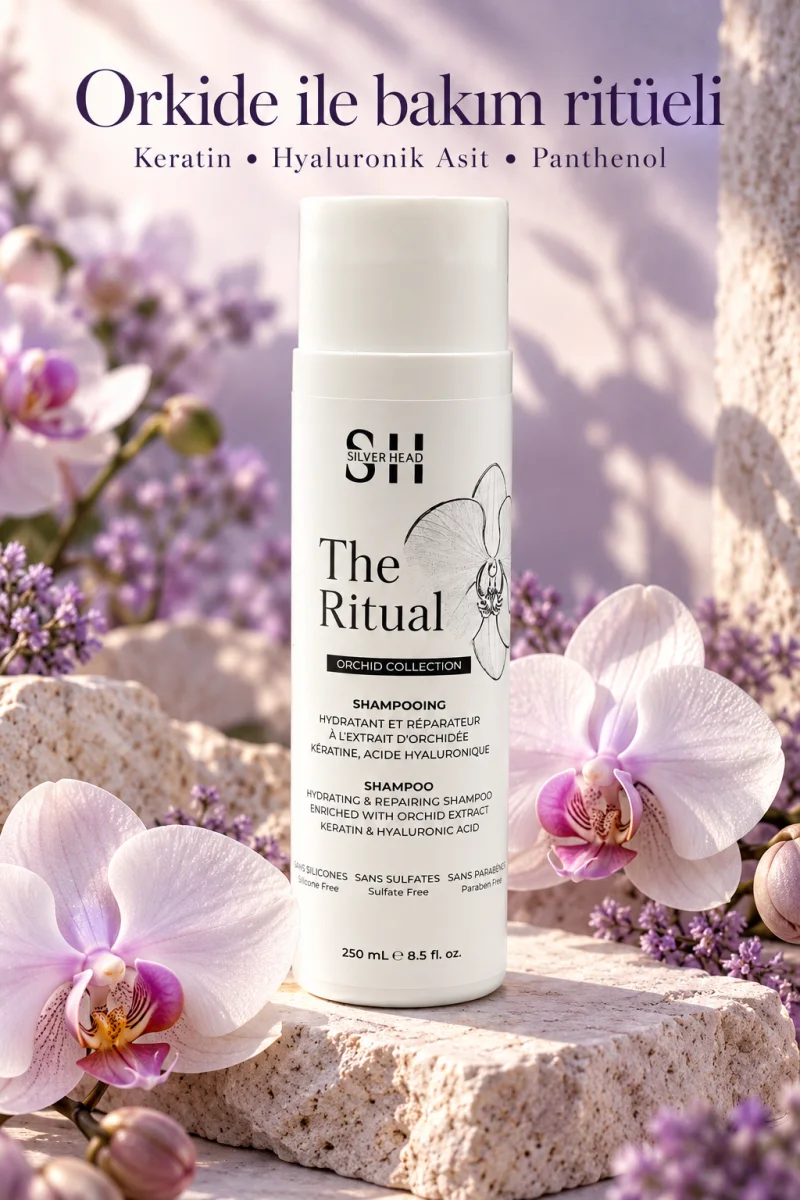
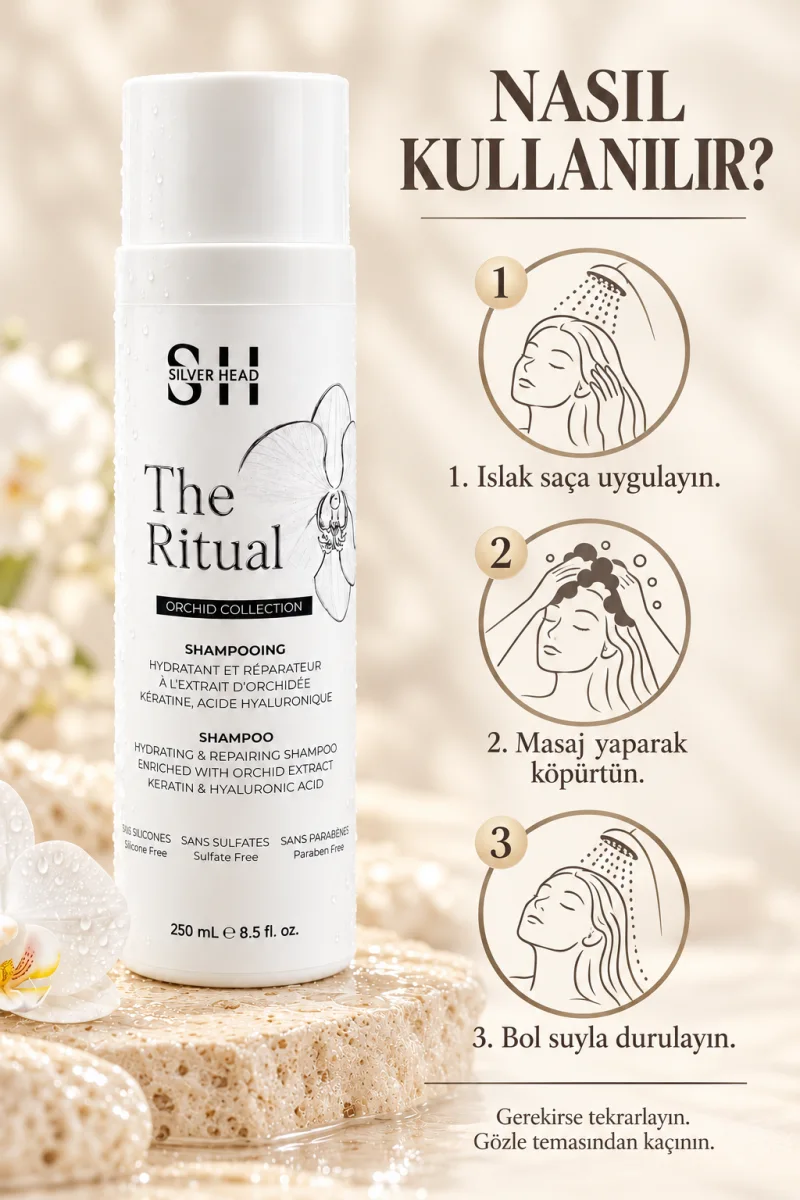
- Washing: Silver Head The Ritual shampoo is applied to wet hair, lathered by massaging the scalp and rinsed with plenty of water.
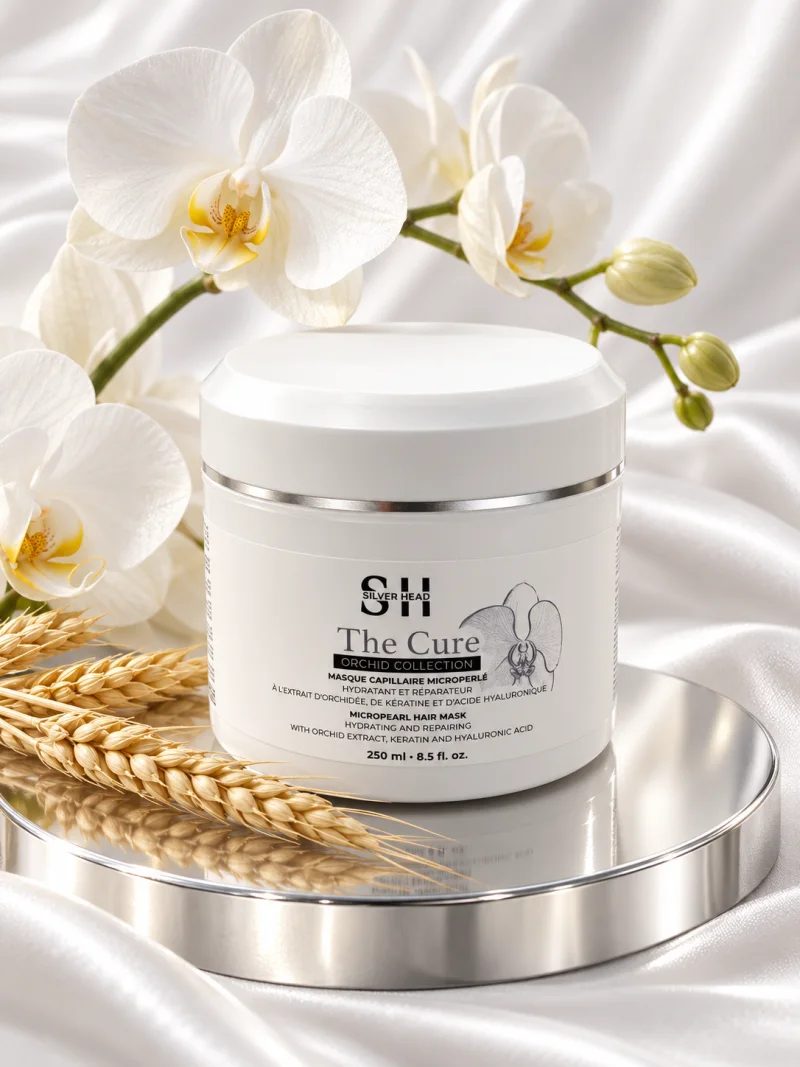
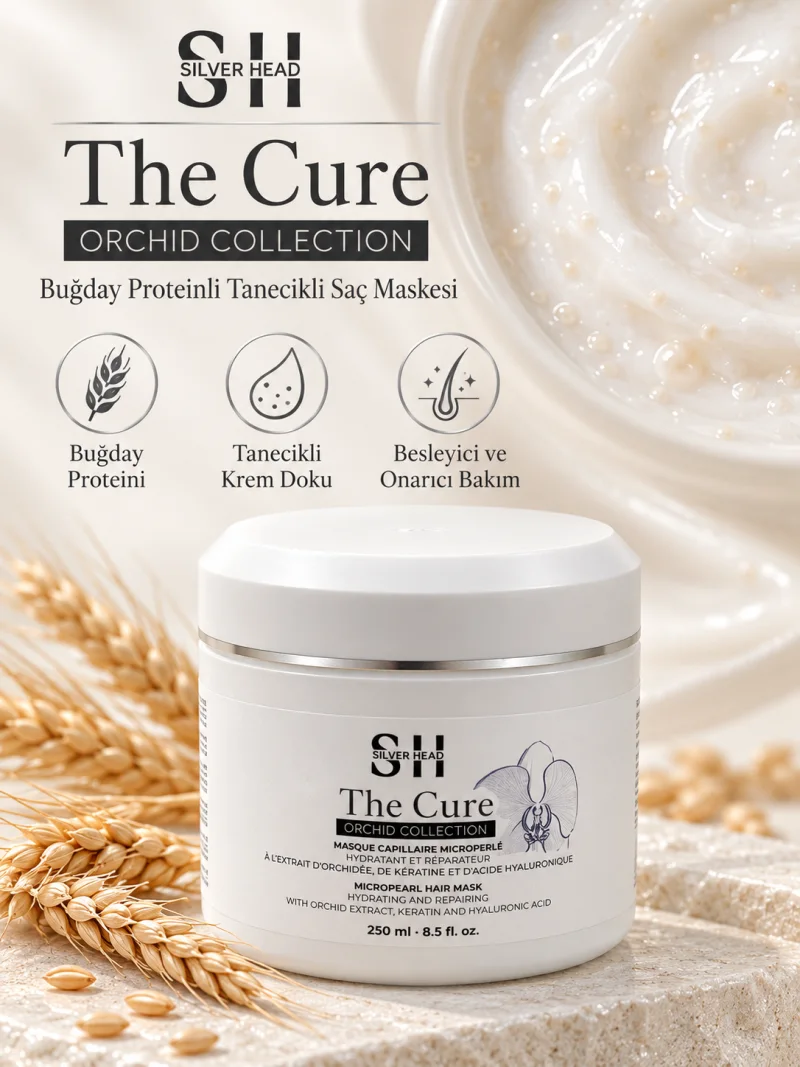
- Care: Silver Head The Cure hair mask is applied from roots to ends on washed, towel-dried hair, left on for 5-10 minutes and rinsed with plenty of water.
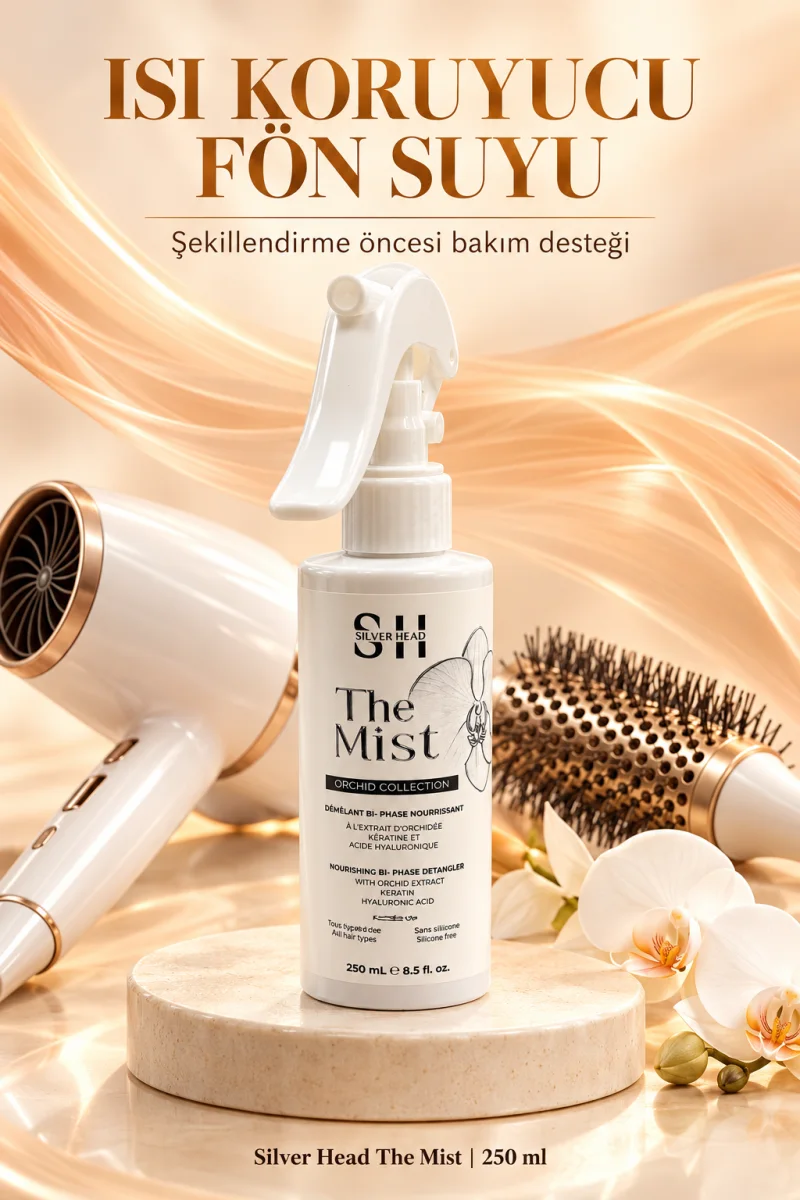
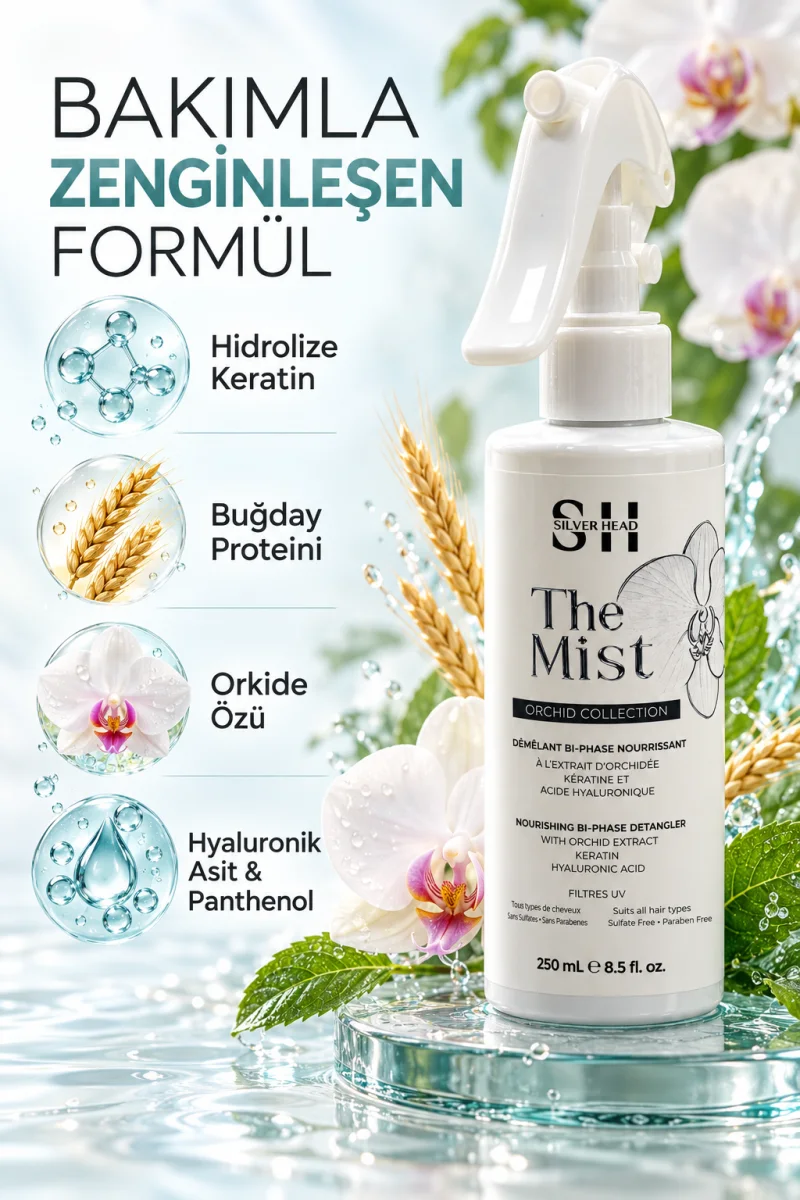
- Before blow-drying: Silver Head The Mist heat protectant blow-dry spray is sprayed onto clean, damp or dry hair from a distance of about 20 cm, combed through if needed and not rinsed out. It should not be sprayed toward the face.
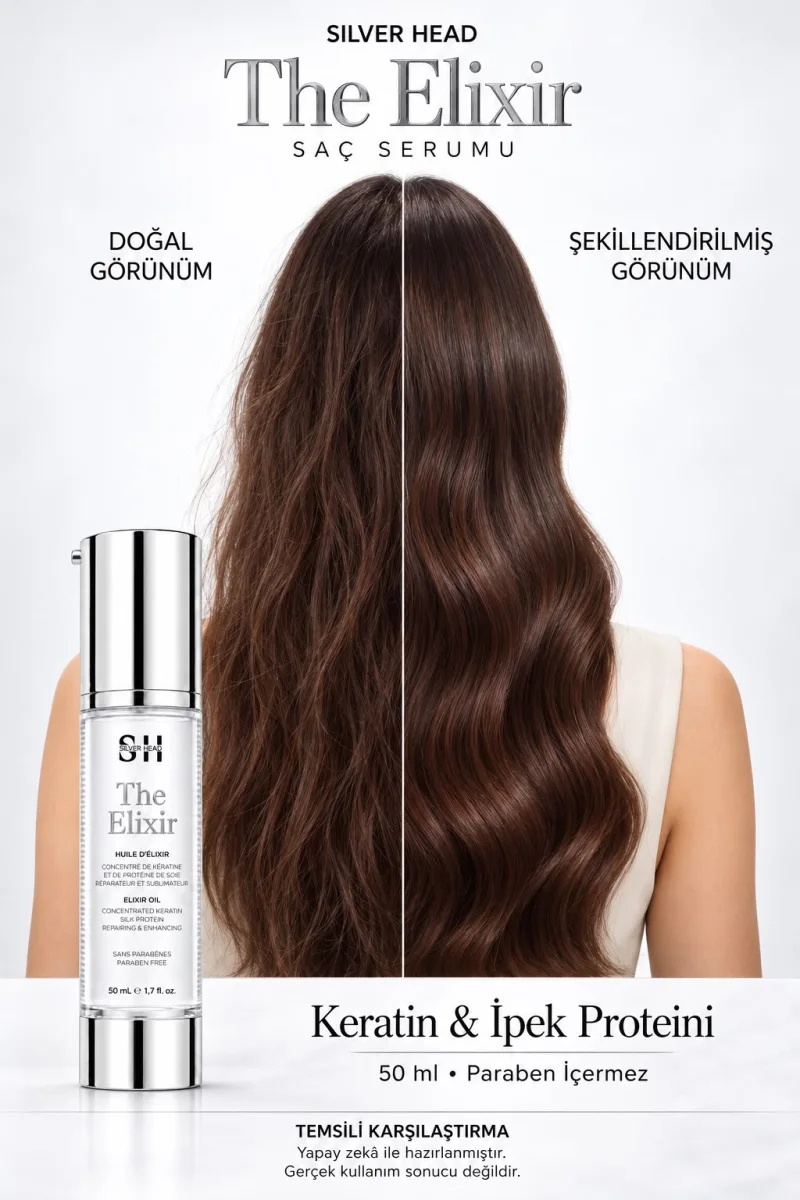
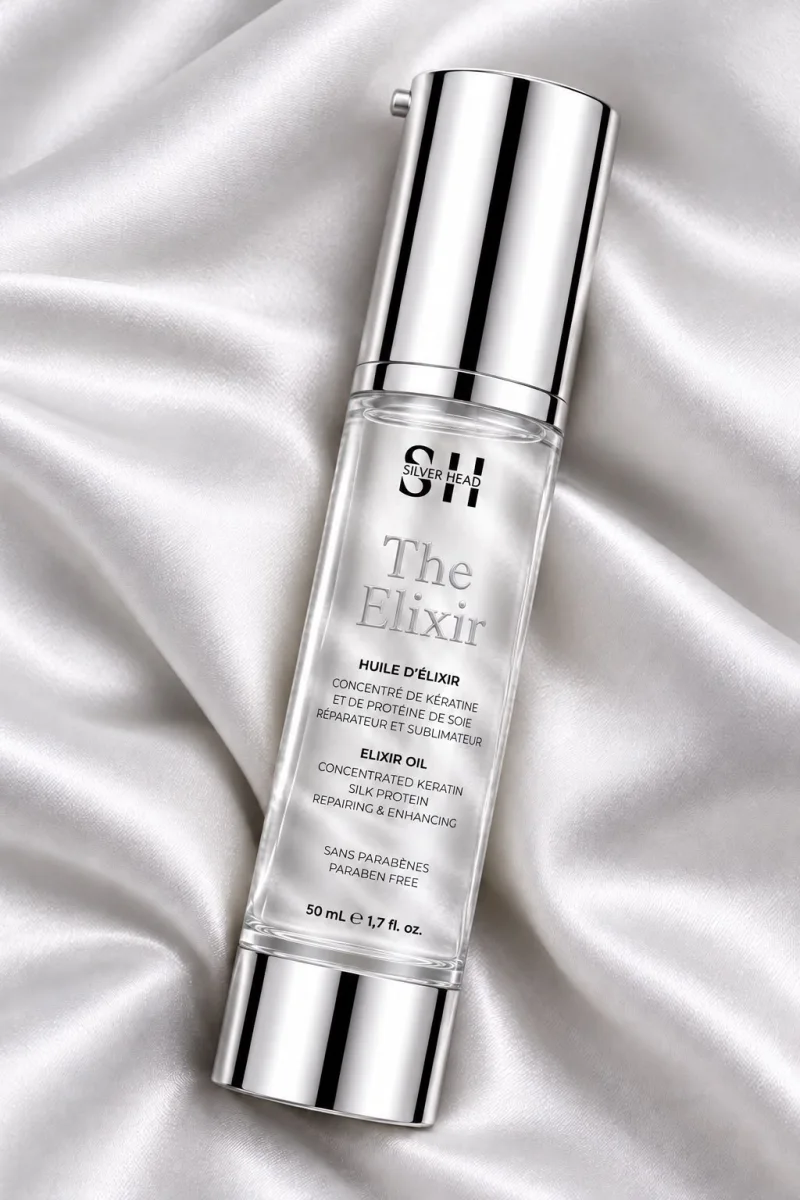
- Serum: Silver Head The Elixir hair serum is distributed in the required amount onto hair dried with a damp towel and is not rinsed out. It contains cyclopentasiloxane and dimethicone.
Frequently asked questions about heat protectant
Is heat protectant applied to wet hair or dry hair?
It depends on the product. Before blow-drying it is generally applied to damp hair, and before a flat iron or curling iron to dry hair. Go by the instructions on the label of the product you use.
Does heat protectant protect hair completely?
No. It can help reduce damage but doesn't prevent it completely. Low heat and infrequent use are at least as important as the product.
Are blow-dry spray and heat protectant the same thing?
Not always. Blow-dry spray is a general name for products used before blow-drying. If you want heat protection, look for this wording in the product's name or on its label.
Can you use a flat iron every day?
It is not recommended. A flat iron should be used on dry hair, on low or medium heat and no more than every other day; using it less often is better for your hair.
What is the best approach for worn hair?
First reduce the factors that increase damage: take a break from heated tools, lower the heat, don't skip conditioner. Trimming the worn ends also helps restore the look.
When should you see a dermatologist?
If you notice marked thinning, sparse areas or unexpected hair loss in your hair, don't settle for just changing products; consult a dermatologist. Styling may not be the cause of the hair loss, and the right approach depends on the cause.
If you're also looking for a roadmap for your skin, you can take a look at our guide on how to tell your skin type.
This article is for general information only; it does not replace medical diagnosis or a treatment recommendation. Use products according to the instructions on their labels.